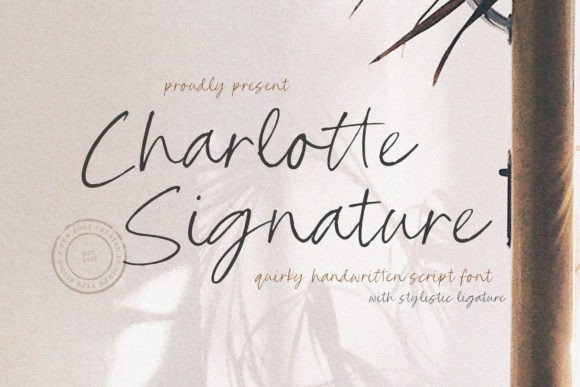
Charlotte Signature: A Whimsical Handwritten Font for Creative Brands
There’s a certain magic in a design that feels personal, as if it were crafted just for you. In a digital world saturated with clean, sterile interfaces, the human touch stands out. This is where a font like Charlotte Signature enters the conversation. It’s more than just a collection of letters; it's a burst of personality, a charming script that can transform a standard project into something memorable and engaging. If you’re looking to infuse your work with authenticity and a playful edge, this typeface deserves a closer look.
Understanding the Handcrafted Appeal of Charlotte Signature
At its core, Charlotte Signature is a handwritten font, but it carries a distinct character that sets it apart. Its letterforms are irregular and fluid, mimicking the natural, slightly imperfect flow of a pen on paper. The strokes vary in weight, creating a dynamic rhythm that feels both spontaneous and intentional. This isn't a rigid, formal script; it’s a display font with a whimsical soul. The overall aesthetic leans into a charming, vintage-inspired vibe while remaining versatile enough for contemporary graphic design. It’s the kind of creative font that adds warmth and a story to any visual element.
Where This Whimsical Typeface Truly Shines
The true strength of a font like Charlotte Signature lies in its application. It’s not designed for body text in a novel, but for moments where you need to capture attention and convey a specific emotion. Consider its use in logo design for boutique businesses, artisanal food brands, or lifestyle blogs. The font’s personality can immediately communicate a brand’s values of craftsmanship, creativity, and approachability. It’s an excellent choice for packaging design, especially for products like cosmetics, specialty goods, or handmade items, where the packaging is part of the customer experience.
Beyond branding, its utility extends into editorial design and social media graphics. Think of compelling pull quotes in a magazine layout, stylized chapter headings in a book, or eye-catching titles for Instagram stories and Pinterest pins. The font’s irregularity makes it a standout choice for invitations, greeting cards, and other personal projects where a generic serif font or sans serif font would feel too impersonal. It’s a premium font asset that can elevate the perceived value of a design.
Making Charlotte Signature Work for Your Brand Identity
Choosing a typeface is a strategic decision that directly influences brand identity. Charlotte Signature can be a powerful tool for building recognition and setting the right tone. Its quirky energy can make a brand feel more approachable, creative, and human. However, this comes with a responsibility to use it wisely. Overusing such a distinctive script font can overwhelm a design and hurt readability. The key is balance.
Practical Guidance for Effective Font Pairing
A fundamental principle of modern typography is contrast. Charlotte Signature works best when paired with a clean, stable counterpart. A simple sans serif font like Montserrat or a classic serif font like Garamond can provide the perfect counterbalance. Use Charlotte Signature for headlines, logos, or short, impactful phrases where its personality can shine. Then, use your secondary font for body copy, subheadings, and other functional text. This creates a clear visual hierarchy, guiding the viewer’s eye and ensuring your message is both beautiful and legible.
Evaluating Fit and Licensing for Commercial Use
Before integrating any design asset into a project, especially for commercial work, due diligence is essential. First, always test the font with your actual content. Does it convey the intended mood? Does it remain legible at the sizes you’ll use? Review all the styles and glyphs included. Many premium fonts come with alternates, ligatures, and extra characters that can add even more custom flair to your designs.
Crucially, understand the licensing. Charlotte Signature, like other professional commercial fonts, will have a license that specifies its permitted use. This could be for desktop use (print and logos), web use (via @font-face), or app embedding. Ensure the license covers all your intended applications, whether for a client’s web design project or your own line of merchandise. Respecting font licensing protects you legally and supports the type designers who create these valuable tools.
In the end, a font like Charlotte Signature offers a fantastic opportunity to break away from the mundane. It invites a sense of playfulness and authenticity into your work. By understanding its strengths and applying it thoughtfully, you can harness its whimsical charm to create designs that don’t just communicate, but truly connect. Let its character inspire your next project, and watch how a touch of delightful eccentricity can make all the difference.