San Diego Duo: A Font Pairing for Modern Branding
When you're building a brand or designing a new project, the fonts you choose do more than just display words. They set a mood, tell a story, and create an instant connection with your audience. Finding a typeface that feels both contemporary and authentic can be a challenge. That's where a well-crafted font pairing like San Diego Duo comes into play. It’s not just a collection of letters; it’s a design system built to make your work look polished and intentional from the very start.
A Visual Handshake: The Personality of San Diego Duo
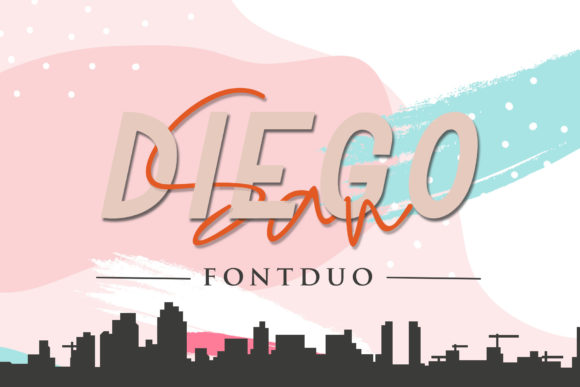
At its core, the San Diego Duo is a sophisticated combination of two distinct typeface styles. The primary component is a clean, geometric sans serif font. This foundation is all about clarity and modern appeal. The letterforms are balanced and airy, making it exceptionally readable for body text, website navigation, or detailed product information. It carries a professional yet approachable vibe, avoiding the coldness that some ultra-modern sans serifs can project. This makes it a versatile display font for headlines that need to command attention without shouting.
Its partner is an elegant script font, a handwritten font with a natural, flowing character. This isn't a casual, messy scrawl; it's a refined signature style that adds a human touch and a sense of personal craftsmanship. The two styles are designed to complement each other perfectly, creating a harmonious visual rhythm. The contrast between the structured sans serif and the organic script gives you a built-in font pairing that works every time. This combination is a cornerstone of modern typography, offering a dynamic that feels both professional and personal. It’s a premium font duo because it solves a common designer’s dilemma—how to pair fonts effectively—in one elegant package.
Where This Creative Font Truly Shines
The real value of a design asset is its flexibility. The San Diego Duo isn't a one-trick pony. Its strength lies in its ability to adapt across a wide range of applications, making it a go-to creative font for various projects. Think about logo design. You could use the sans serif for the main brand name to ensure legibility at any size, then incorporate the script for a tagline or a brand mark to inject personality. This creates a memorable and balanced brand identity right from the first glance.
For editorial design and packaging design, the duo excels. Imagine a boutique coffee bag or a handmade candle label. The sans serif can list the ingredients or details cleanly, while the script highlights the product name or a special "small batch" note, adding that artisanal feel. In web design, the sans serif ensures your website copy is easy to read on screens, while the script can be used sparingly for impactful section headers or pull quotes that draw the eye.
The applications extend further into digital marketing and personal projects:
- Social Media Graphics: Create cohesive and stylish Instagram posts, Pinterest pins, or Facebook banners. Use the script for a compelling headline and the sans serif for the caption or call-to-action.
- Blog Posts & Headers: Break up long-form content with visually interesting headers using the script. This improves visual hierarchy and keeps readers engaged as they scroll.
- Branding for Entrepreneurs: For small business owners, this commercial font provides a professional toolkit without the need to hire a designer for every single asset. It ensures consistency across your website, business cards, and social media.
It’s also an excellent choice for crafters and hobbyists working on invitations, greeting cards, or custom art prints. The script adds a handmade, heartfelt quality, while the sans serif keeps the overall design looking sharp and contemporary.
Making It Work for You: Practical Guidance
Choosing the right typeface is just the first step. Using it effectively is what elevates your design. Here’s some practical advice for working with a font duo like this.
First, consider readability. The sans serif component of San Diego Duo is built for clarity, so it’s perfect for longer blocks of text, both in print and on the web. The script, however, should be used with intention. It’s best for short, impactful phrases—headlines, subheadings, logos, and callouts. Avoid setting entire paragraphs in the script, as this will hurt readability and diminish its decorative impact.
Next, think about visual hierarchy. A strong design guides the viewer’s eye. Use the bold or italic weights of the sans serif for subheadings to create a clear structure. Then, deploy the script font for the most important piece of information you want to highlight. This contrast naturally creates a focal point. For example, on a social media graphic, a large script headline like "Summer Sale" will pop against a smaller, crisp sans serif line detailing the offer.
When evaluating if this display font is the right fit, look at the included styles. A quality font package often includes multiple weights (light, regular, bold) for the sans serif, giving you even more flexibility to create subtle hierarchies. Check for stylistic alternates in the script font—these are alternate letterforms that can help you customize the look and avoid repetitive characters, making your text feel more authentic.
Finally, always consider licensing. For any project that will generate revenue—whether it’s a client logo, a product you sell, or a website for your business—you need a commercial font license. This ensures you have the legal right to use the font in your work. Most reputable font foundries and marketplaces make this clear, and it’s a crucial step in professional practice.
The San Diego Duo offers a practical and stylish solution for a multitude of design challenges. It provides the tools to build a cohesive and engaging visual language, whether you're launching a new brand, refreshing your social media presence, or creating a beautiful personal project. By understanding its components and applying them thoughtfully, you can leverage this serif font alternative to create designs that feel both current and timeless.